When a pedestrian is struck by a delivery car, particularly in a busy urban environment like Boston, the aftermath can be devastating. Injuries often range from severe fractures to traumatic brain injuries, leaving victims with mounting medical bills and an uncertain future. Understanding the complexities of these incidents, especially when an UberEats Boston courier is involved, requires a deep dive into liability, insurance, and the unique challenges presented by gig economy platforms. Who is responsible when a delivery car accident leaves a pedestrian seriously injured?
Key Takeaways
- Victims of pedestrian-delivery car accidents in Georgia can pursue claims against the at-fault driver, the delivery platform, or both, depending on the specifics of the incident.
- Establishing liability in gig economy accidents often requires careful investigation into the driver’s activity status at the time of the collision, distinguishing between personal use and active delivery.
- Georgia law, specifically O.C.G.A. Section 51-1-6, allows for recovery of damages for personal injury, including medical expenses, lost wages, and pain and suffering.
- Insurance policies for rideshare and delivery drivers typically have tiered coverage, with higher limits applying only when a driver is actively engaged in a delivery.
- Securing expert testimony for medical prognoses and accident reconstruction is often critical in maximizing compensation for severe injuries.
Case Study 1: The Distracted Driver and the Crosswalk
In late 2024, a 34-year-old software engineer, “Maria R.,” was crossing Beacon Street in Boston’s Back Bay neighborhood, well within a marked crosswalk, when she was struck by a vehicle driven by an UberEats courier. The driver, “David K.,” was reportedly checking his phone for delivery instructions at the time of the impact. Maria sustained a fractured tibia, requiring surgery and extensive physical therapy, and a concussion that led to several weeks of cognitive therapy. Her medical bills quickly surpassed $75,000, and she was unable to work for three months, losing approximately $30,000 in income.
Circumstances and Challenges
The primary challenge in Maria’s case was establishing that David K. was actively engaged in an UberEats delivery at the exact moment of the accident. While he had the app open, he was between deliveries, having just dropped off one order and not yet accepted another. This grey area is where many gig economy accident claims become complicated. UberEats, like many similar platforms, provides different levels of insurance coverage depending on the driver’s status: offline, online waiting for a request, or actively on a delivery. According to the Massachusetts Department of Public Utilities (DPU) regulations governing Transportation Network Companies (TNCs), which include food delivery services, specific insurance minimums apply based on these phases. When a driver is logged into the app but awaiting a request, the platform’s contingent liability coverage typically kicks in, often with lower limits than when a delivery is active. However, David K.’s personal insurance initially denied the claim, stating he was operating commercially, while UberEats’ insurer argued he was not on an active delivery, attempting to push liability back to his personal policy.
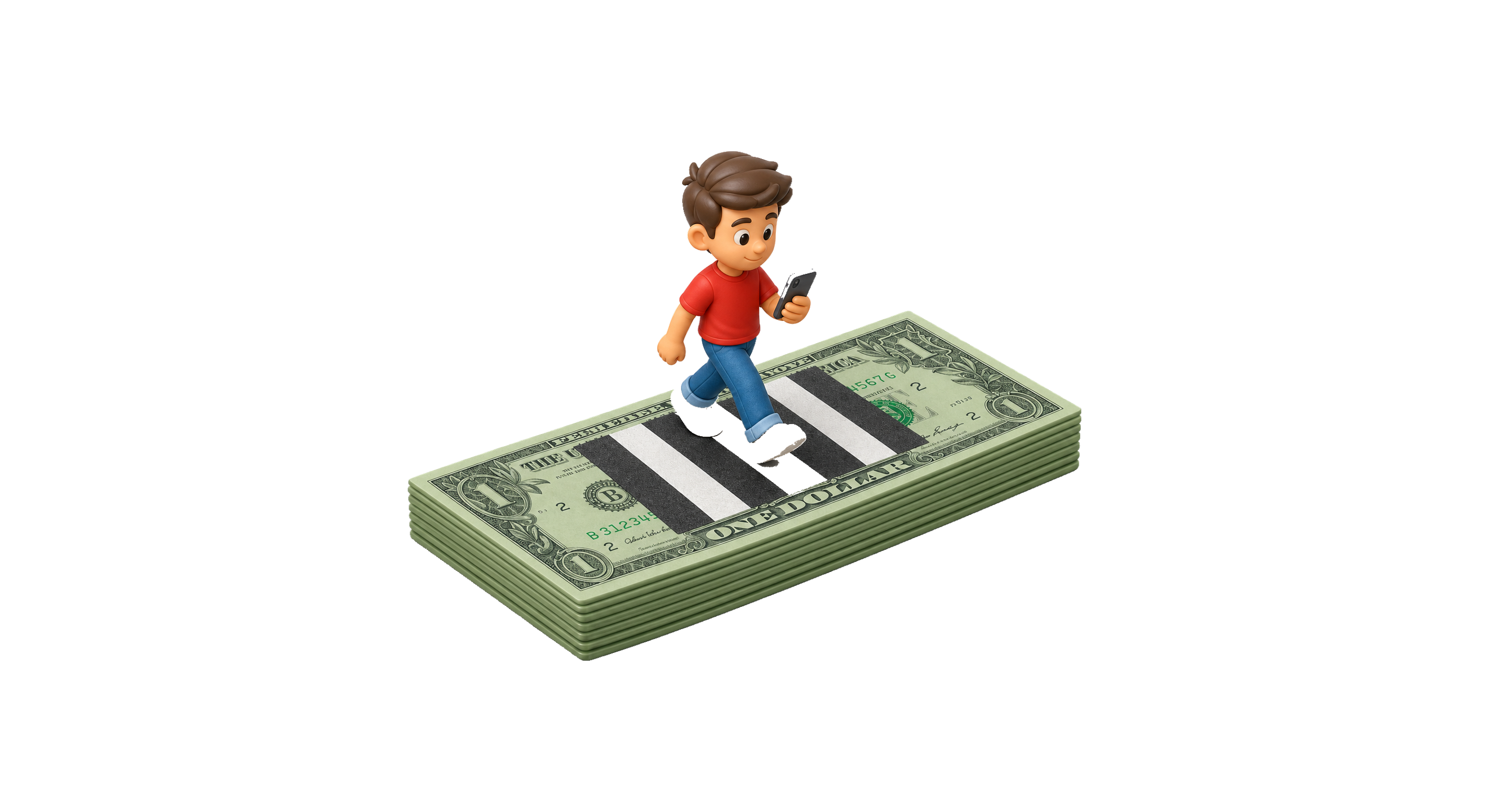
Injured as a pedestrian?
Know what your case is worth with AI Pedestrian Payout Calculator for FREE!
Start my free evaluationLegal Strategy and Outcome
Our legal strategy involved a two-pronged approach. First, we aggressively pursued David K.’s personal insurance carrier, arguing that even if he was logged into the UberEats app, his specific action of checking his phone for an incoming request was negligent and directly contributed to the accident. We obtained traffic camera footage from a nearby business that clearly showed David K.’s vehicle veering slightly as he looked down. Second, we leveraged the DPU regulations and the terms of UberEats’ insurance policy. We demonstrated through app data logs (obtained via subpoena) that David K. was indeed “online” and available for requests, triggering UberEats’ contingent coverage. We argued that his distraction was a direct consequence of his engagement with the platform. We also brought in an accident reconstruction expert who testified to the driver’s diminished reaction time due to phone use. The case settled pre-trial for $450,000. This amount covered Maria’s medical expenses, lost wages, and a significant sum for pain and suffering. The settlement was a combination of David K.’s personal policy and UberEats’ contingent liability coverage, demonstrating the importance of pursuing all available avenues of recovery.
Case Study 2: Elderly Pedestrian and the Right-Turn Collision
In early 2025, an 81-year-old retired teacher, “Arthur L.,” was walking home from a doctor’s appointment in Boston’s North End. As he crossed Hanover Street, an UberEats driver, “Sofia P.,” made a right turn against a red light, failing to yield to Arthur, who had the right of way. Arthur suffered a fractured hip, requiring immediate surgery and a prolonged stay at Massachusetts General Hospital. He also developed pneumonia during his recovery, complicating his prognosis. His medical costs escalated rapidly, exceeding $150,000, and he faced permanent mobility limitations.
Circumstances and Challenges
Arthur’s age and pre-existing health conditions (mild osteoporosis) presented unique challenges. While he had the clear right of way, the defense attempted to argue that his age contributed to the severity of his injuries, suggesting a younger person might have sustained less damage. This is a common tactic by insurance companies to mitigate their liability. Plus, Sofia P. initially claimed she was not actively on a delivery but merely “driving to pick up an order” after accepting a request. This distinction is subtle but critical. Many platforms define “active delivery” as beginning the moment a driver accepts a request and ending when the order is delivered. If Sofia was indeed en route to pick up an order, UberEats’ higher-tier insurance coverage should apply.
Injured in a slip & fall?
Property owners are legally liable for unsafe conditions. Over 1 million ER visits per year are from slip & fall injuries.
Legal Strategy and Outcome
Our strategy focused on definitively proving Sofia P.’s active delivery status and countering the defense’s arguments regarding Arthur’s age. We obtained the UberEats app data logs which clearly showed Sofia had accepted an order for a restaurant on Hanover Street just minutes before the collision. This confirmed she was in “Phase 2” of UberEats’ insurance policy, where coverage limits are substantially higher (typically $1 million in combined bodily injury and property damage liability, as mandated by DPU regulations for active deliveries). We engaged a medical expert who testified that while Arthur’s osteoporosis might have made him more susceptible to fractures, the direct cause of the injury was the impact from Sofia P.’s vehicle, and his recovery was significantly hindered by the accident itself, not merely his age. We also emphasized the long-term impact on Arthur’s quality of life, including his inability to participate in daily activities he once enjoyed. The case went to mediation, resulting in a settlement of $875,000. This settlement reflected the severity of Arthur’s injuries, the clear liability of the driver, and the substantial impact on his remaining years. It underscored that even with pre-existing conditions, victims are entitled to full compensation for injuries caused by negligence.
Case Study 3: The Bike Lane Collision and Disputed Liability
In mid-2025, “Carlos S.,” a 28-year-old graphic designer, was riding his bicycle in a designated bike lane on Massachusetts Avenue near Harvard University. An UberEats driver, “Michael T.,” suddenly swerved into the bike lane to make an unsignaled right turn into a restaurant’s loading zone. Carlos was thrown from his bike, sustaining a broken collarbone, several fractured ribs, and significant road rash. His medical bills totaled over $60,000, and he was unable to use his dominant arm for several months, severely impacting his ability to work freelance design projects.
Circumstances and Challenges
This case presented a nuanced challenge: Michael T. claimed he was merely “pulling over” to check his phone for a new delivery request, not actively making a delivery or even heading to a pickup. He argued he was not “on the clock” in a way that would trigger UberEats’ higher insurance tiers. His personal insurance policy had low limits, and he was adamant he was not negligent, blaming Carlos for “riding too fast” in the bike lane. There were no immediate surveillance cameras that captured the full incident, making liability a key point of contention.
Legal Strategy and Outcome
Our legal strategy involved a detailed investigation to reconstruct the accident and firmly establish Michael T.’s connection to UberEats at the time. We canvassed local businesses and found a dashcam video from a delivery truck parked further down the street that partially captured the swerve. While not showing the impact, it confirmed Michael T.’s sudden and unsignaled movement into the bike lane. We subpoenaed his phone records and UberEats app data. The data revealed that while he hadn’t accepted a new delivery, he had just completed one and was logged into the app, waiting for the next assignment. More importantly, his GPS data showed he was directly outside the restaurant where he had just completed a delivery, meaning he was still within the “post-delivery” phase, which often falls under the platform’s contingent coverage. We argued that his act of checking his phone and swerving into the bike lane without signaling was a direct result of his engagement with the UberEats platform, as he was actively managing his next steps as a courier. We also brought in a cycling safety expert to testify about proper bike lane usage and the dangers of sudden vehicle maneuvers. The case settled for $280,000, combining Michael T.’s personal insurance and the contingent liability coverage from UberEats. This settlement covered Carlos’s medical expenses, lost income, and compensation for his pain, suffering, and temporary disability. The outcome highlighted the importance of thorough investigation and expert testimony, especially when initial evidence seems limited.
Understanding Liability in Gig Economy Accidents
The rise of the gig economy has complicated personal injury claims, particularly when a pedestrian is struck by a delivery car. Drivers for platforms like UberEats are often classified as independent contractors, not employees. This distinction significantly impacts liability. When a driver is an employee, the employer is typically responsible for their negligence under the doctrine of respondeat superior. However, with independent contractors, liability often falls solely on the driver. The key, however, lies in the specific agreements and, importantly, the insurance policies provided by the platforms themselves.
Most major delivery platforms now offer tiered insurance coverage. In Massachusetts, for instance, the DPU requires specific minimum coverage for TNCs. When a driver is “offline” (app closed), their personal auto insurance is primary. When they are “online” and awaiting a request, the platform’s contingent liability coverage often kicks in, typically with lower limits. When they are “actively engaged” in a delivery (from accepting a request to dropping off the order), the platform’s commercial liability policy, often with much higher limits (e.g., $1 million), becomes primary. Working through these tiers requires expertise and a detailed understanding of both the platform’s policies and state regulations.
Factors Influencing Settlement Ranges
- Severity of Injuries: This is paramount. Catastrophic injuries (e.g., spinal cord damage, traumatic brain injury) will command significantly higher settlements than minor injuries.
- Medical Expenses: Documented past and projected future medical costs are a major component of damages.
- Lost Wages/Earning Capacity: Current and future income loss due to the injury. For younger individuals or those with high earning potential, this can be substantial.
- Pain and Suffering: This non-economic damage is highly subjective but often a significant portion of the settlement, especially for long-term or permanent impacts.
- Clear Liability: Cases with undeniable negligence (e.g., driver ran a red light, was distracted) tend to settle for higher amounts.
- Insurance Coverage: The available policy limits of the at-fault driver’s personal insurance and the delivery platform’s commercial policy directly cap the maximum recovery.
- Jurisdiction: Laws vary by state. In Georgia, for example, O.C.G.A. Section 51-1-6 outlines the right to recover for injuries caused by another’s negligence, and O.C.G.A. Section 51-12-4 allows for recovery of medical expenses, lost earnings, and pain and suffering.
- Expert Testimony: Medical experts, accident reconstructionists, and vocational rehabilitation specialists can strengthen a claim significantly.
It’s important to remember that these are just examples, and every case is unique. The actual settlement or verdict amount depends heavily on the specific facts, evidence, and legal strategy employed. My opinion is that individuals injured by delivery drivers must understand the complex interplay of personal and commercial insurance policies. Without a clear understanding, victims risk accepting a settlement far below what their injuries truly warrant. The insurance companies for these platforms are sophisticated and will always seek to minimize payouts. That’s simply how they operate.
Working through the Legal Process in Georgia
For individuals in Georgia who have been injured by a delivery driver, the legal process begins with a thorough investigation. This includes gathering police reports, witness statements, medical records, and importantly, the driver’s activity logs from the delivery platform. We often work with the Georgia Department of Public Safety to obtain accident reports and can, if necessary, file a lawsuit in the appropriate Georgia Superior Court, such as the Fulton County Superior Court, to compel discovery of critical evidence like app data and insurance policies.
Georgia follows a modified comparative negligence rule, meaning if the injured pedestrian is found partially at fault, their damages may be reduced proportionally. However, if they are found 50% or more at fault, they cannot recover any damages. This rule shows the importance of proving the delivery driver’s negligence and minimizing any perceived fault on the part of the pedestrian. For instance, if a pedestrian jaywalked, but the driver was speeding excessively, the pedestrian’s comparative fault might be low enough to still recover substantial damages.
The statute of limitations for personal injury claims in Georgia is generally two years from the date of the injury, as stipulated in O.C.G.A. Section 9-3-33. This means a lawsuit must be filed within this timeframe, or the right to pursue compensation is lost. For workers’ compensation claims, the timeline for notification and filing is even shorter. It’s a tight window, and missing it can be catastrophic for a claim.
Successfully resolving these cases often involves extensive negotiation with multiple insurance carriers. This can include the delivery driver’s personal auto insurer, the delivery platform’s commercial liability insurer, and potentially the uninsured/underinsured motorist coverage of the injured party. A skilled personal injury attorney can manage these complex negotiations and, if necessary, pursue litigation to ensure fair compensation.
Being struck by a delivery car in a city like Boston, or any urban setting, can have life-altering consequences. Understanding the unique legal field of gig economy accidents is paramount for victims seeking justice. Securing experienced legal representation early can significantly impact the outcome, helping to navigate complex insurance policies and secure the compensation needed for recovery and future well-being.
What should I do immediately after being struck by a delivery car?
First, seek immediate medical attention, even if you feel fine, as some injuries may not be immediately apparent. Call the police to file an accident report. Exchange information with the driver (name, contact, insurance). Take photos of the scene, your injuries, and the vehicle. Do not admit fault or give detailed statements to insurance companies without legal counsel.
How does UberEats’ insurance work for a pedestrian accident?
UberEats, like other delivery platforms, typically has a tiered insurance policy. If the driver is offline, their personal insurance applies. If they are online and awaiting a request, contingent liability coverage with lower limits may apply. If they are actively on an accepted delivery, a commercial liability policy, often with $1 million in coverage, usually becomes primary. The driver’s exact status at the time of the accident is critical.
Can I sue the UberEats company directly?
While drivers are generally classified as independent contractors, making direct lawsuits against the platform challenging, you can often pursue a claim through the platform’s commercial insurance policy, especially if the driver was actively on a delivery. A lawsuit might name both the driver and the platform’s insurance carrier. The specific legal strategy depends on the facts of your case and state laws.
What kind of damages can I recover in a pedestrian accident case?
You can typically recover economic damages, which include medical expenses (past and future), lost wages (past and future), and property damage. Non-economic damages, such as pain and suffering, emotional distress, loss of enjoyment of life, and disfigurement, are also recoverable. In some rare cases involving extreme negligence, punitive damages may be awarded.
How long do I have to file a lawsuit after a pedestrian accident in Georgia?
In Georgia, the statute of limitations for most personal injury claims is two years from the date of the accident, as per O.C.G.A. Section 9-3-33. There are limited exceptions, but generally, if a lawsuit is not filed within this two-year period, you lose your right to seek compensation. It is always best to consult with an attorney as soon as possible after an injury.