
Philadelphia’s streets are already a ballet of cars and people, but now there’s a new, dangerous layer: digital ghosts. The spread of augmented reality (AR) advertising adds a concerning level of distraction for anyone on foot. Just imagine you’re walking near Rittenhouse Square and your view is suddenly blocked by a giant virtual soda bottle plastered over a real building, or a digital mascot starts dancing in the middle of the Broad and Walnut intersection. What sounds like a sci-fi movie is a rapidly approaching reality, one that seriously increases the risk of a Philadelphia pedestrian accident. So how dangerous are these ads, really, and what can you do if an AR ad distraction gets you hurt?
Key Takeaways
- AR ads, shown on mobile devices or smart glasses, create serious visual and cognitive distractions that put pedestrians in danger.
- While Pennsylvania law (75 Pa. C.S. § 3549) requires pedestrians to use due care, this doesn’t absolve negligent companies in AR-related accidents.
- You must document the scene right after an AR-induced accident, which includes capturing the AR content itself, if you want to build a legal claim.
- Liability in an AR distraction case isn’t simple. It can point to the advertiser, the AR platform developer, or even the device maker.
- A personal injury claim for an AR-related pedestrian accident in Philadelphia is a negligence case, meaning you have to prove duty, breach, causation, and damages.
The Unseen Hazards of Augmented Reality in Urban Spaces
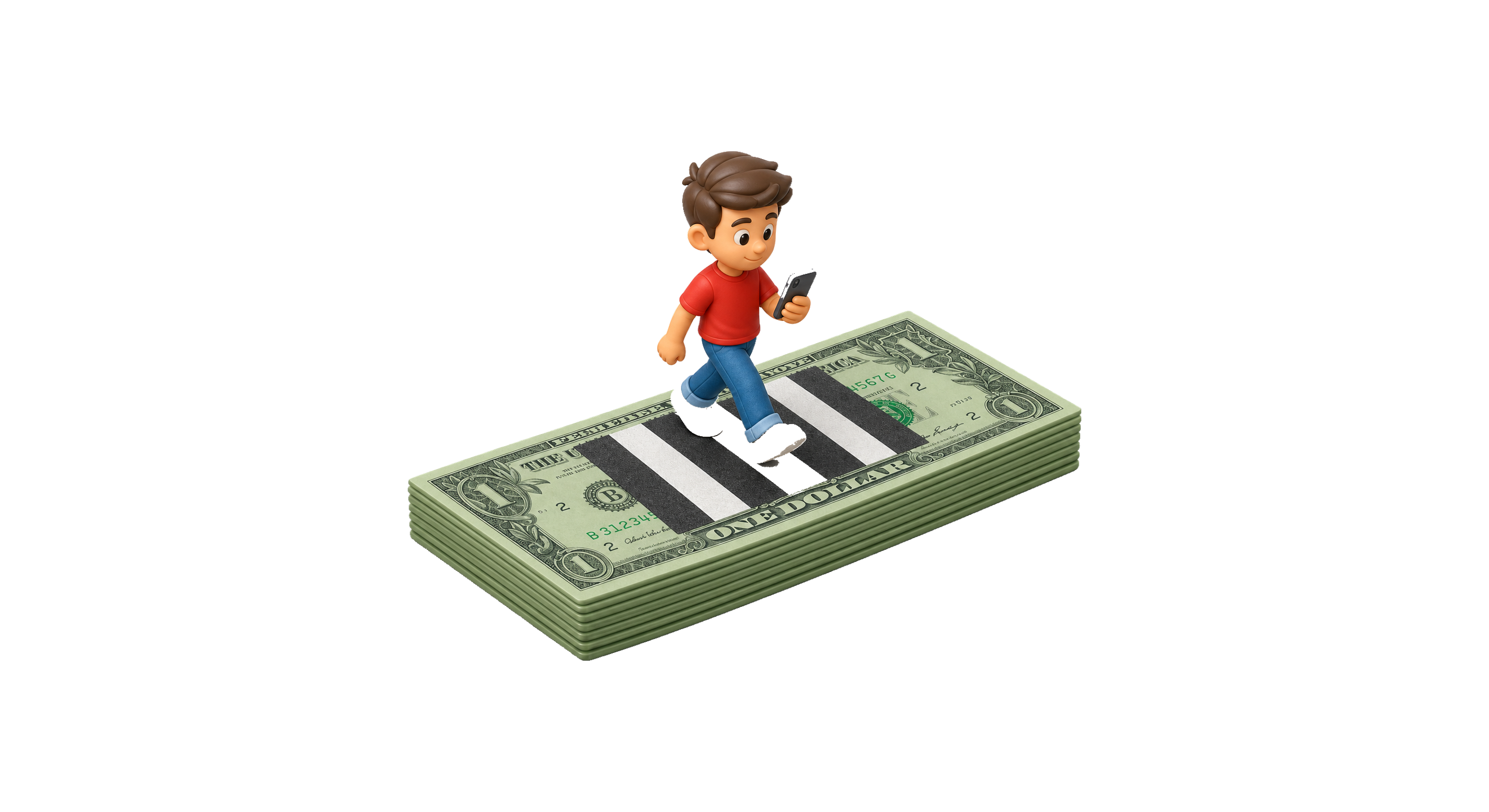
By its nature, augmented reality layers digital information over our physical world. While this tech is sold as a great marketing tool, deploying it in high-traffic pedestrian areas like Center City or around the historic district introduces obvious risks. We’re talking about dynamic, animated visual elements designed specifically to capture and hold your attention. A pedestrian already has their vision compromised when they look down at a phone to interact with an AR game or ad. When you add digital content that can pop up in their field of vision without warning, demanding their brain to process it, you have a perfect recipe for disaster.
Think about the cognitive load. Walking requires constant scanning of your surroundings for traffic, uneven pavement, and other people. When an AR ad, like a virtual flash mob suddenly appearing on the sidewalk by Reading Terminal Market, hijacks a pedestrian’s focus, their ability to process critical safety cues tanks. That momentary lapse, even for a fraction of a second, is all it takes to go from safely crossing Market Street to stepping directly into the path of a bus. It’s a classic divided attention problem, something that’s been studied to death in human factors research. The National Highway Traffic Safety Administration (NHTSA) has tons of data on the dangers of distracted driving, and even though the context is different, the core principle of impaired attention leading to accidents is alarmingly the same for pedestrians.
Injured as a pedestrian?
Know what your case is worth with AI Pedestrian Payout Calculator for FREE!
Start my free evaluationThe newness of the technology makes the problem even worse. Many pedestrians won’t realize they’re interacting with an AR ad or will completely underestimate how immersive it is. The problem here goes beyond just people being glued to their phones. The environment itself can become a source of visual entrapment. Companies that build AR advertising platforms have to confront the ethics of deploying attention-sucking content in areas where vigilance is a matter of life and death. We’re seeing a gold rush for AR in marketing, but the safety regulations and public discussion are lagging far behind.
Legal Framework for Pedestrian Safety in Pennsylvania
Pennsylvania law clearly emphasizes pedestrian safety, but it also demands individual responsibility. For example, Title 75, Section 3549 of the Pennsylvania Vehicle Code requires a pedestrian to “exercise due care for his or her safety.” A pedestrian can’t just wander into traffic blindly and expect to be held blameless. But that doesn’t grant automatic immunity to those who create the hazard. When an AR ad is a direct factor in a pedestrian’s distraction and injury, the legal argument gets a lot more complicated than a simple “they weren’t looking” defense.
Injured in a slip & fall?
Property owners are legally liable for unsafe conditions. Over 1 million ER visits per year are from slip & fall injuries.
In any pedestrian accident claim in Philadelphia, you have to prove negligence. That means showing four things: duty, breach, causation, and damages. Anyone driving a car or designing things for public spaces has a duty to act reasonably to keep people from getting hurt. When an AR ad is deployed in a way that foreseeably distracts pedestrians and causes a crash, it’s a strong argument that the advertiser or platform developer breached their duty of care. The real fight is then proving the AR ad was the direct cause, or at least a major factor, in the accident.
Let’s use a scenario: a pedestrian near City Hall is mesmerized by an AR ad for a new movie projected onto the building through their smart glasses. They step off the curb without looking, and a car hits them. While that pedestrian definitely shares some blame for not being aware, the company that put that incredibly distracting ad in such a high-risk area could also be held liable. Foreseeability is key here. Could a reasonable advertiser or AR developer have predicted that their flashy content might lead to this exact kind of accident? In my professional opinion, they absolutely should have.
On top of that, Pennsylvania has a modified comparative negligence rule (42 Pa. C.S. § 7102). This means if a jury finds you 20% at fault for your own accident, your total damages award is reduced by 20%. If you’re found to be more than 50% at fault, you can’t recover any damages at all. This rule makes it absolutely essential to investigate all contributing factors, especially the role of any distracting AR content, to accurately assign fault. It’s a nuanced situation, not just an “all or nothing” deal.
Establishing Liability in AR Ad Distraction Cases
Pinpointing the liable parties in an accident caused by an AR ad distraction can get messy. It’s not as simple as just getting the driver’s license plate. The list of potential defendants is longer:
- The Advertiser: The company that paid for and designed the AR ad. If they chose to place a ridiculously distracting experience on the crowded sidewalks of South Street, they bear responsibility.
- The AR Platform Developer: The tech company that built the infrastructure for the AR experience. If their platform has design flaws that enable unsafe ad placements or if the content renders in a dangerous way, they could share in the liability.
- The Device Manufacturer: If the AR experience was delivered through a specific device like smart glasses, a defect in the hardware’s display or its safety features could be a contributing factor.
- The Property Owner/Manager: If a private property owner sanctioned an AR ad that affects a public street (like a huge projection on their building’s wall), they might have a duty to ensure it doesn’t endanger the public.
Building a strong case means gathering evidence carefully. That means documenting the physical scene of the accident, yes, but more importantly, preserving proof of the AR advertisement itself. Screenshots, screen recordings, or even eyewitnesses who can describe the AR content at that exact moment become your best friends. Without that digital footprint, proving the ad’s role is significantly harder. I’ve seen firsthand that investigating within hours or days is often the only way to capture this kind of fleeting digital evidence before it’s gone forever.
We also have to examine the intent and design of these ads. Were they intentionally built to be so captivating that they would obviously pull a pedestrian’s attention away from real-world dangers? Did the app or platform include any warning about using the AR experience in busy public spaces? These questions push a case beyond simple negligence into the more complex territory of product liability and negligent design. For instance, if an AR ad makes a pedestrian trip on a broken sidewalk near Love Park because a virtual object blocked their view of the ground, you could argue the AR content itself created an unreasonably dangerous condition.
What to Do After an AR Ad-Related Pedestrian Accident
If you or someone you know is in a Philadelphia pedestrian accident where an AR ad distraction was involved, your actions right after the incident can make or break a future legal claim. The steps are mostly the same as any accident, but with a few key differences:
- Get Medical Help First: Your health is the priority. Go get checked out by professionals at a facility like Thomas Jefferson University Hospital or Pennsylvania Hospital, even if you feel okay. Documenting injuries from day one is critical.
- Call the Police: Get an official police report filed. This creates a formal record of the time, location, and initial facts. Make sure you tell the officer about any factors you noticed, like someone being distracted by a device or a digital projection.
- Document the Scene Like Crazy: Take photos and videos of everything. Your injuries, the exact location (the intersection of 15th and Walnut, the sidewalk on Columbus Boulevard), any visible AR content on screens, and the general area. If you can, get a screenshot or a screen recording of the AR ad from your phone or a witness’s phone. This is often the most challenging, yet most important, evidence to get.
- Get Witness Info: Get names, phone numbers, and emails from anyone who saw what happened or saw the AR content. Their testimony could be priceless.
- Don’t Admit Fault: Be careful what you say. Don’t make any statements that could sound like you’re taking the blame. Stick to the facts of what happened.
- Preserve Your Device: If you were using an AR app on your phone or smart glasses, don’t delete anything. Don’t clear your history or reset the device. It could hold the key evidence of what you were seeing.
- Contact an Attorney: A lawyer with experience in pedestrian accidents can guide you through the maze of proving liability, especially with new tech like AR. They can help preserve evidence, identify the right defendants, and build your case for compensation.
The legal process for these cases will likely require expert testimony. We might need an AR technology expert to explain how the ad worked, a human factors expert to testify about distraction and cognitive load, and an accident reconstructionist to put the timeline together. This requires a deep dive into both traditional personal injury law and emerging technological issues.
I can’t say this enough: you have to act fast. Digital evidence is temporary. AR ad campaigns can change by the hour. If you wait weeks to start looking into it, the specific ad that distracted you might be gone, making your case exponentially harder to prove. This is a new legal frontier, and getting evidence early is everything.
The Future of AR and Pedestrian Safety
As augmented reality continues to advance and weave itself into our lives, we’re at a critical point for pedestrian safety. Immersive advertising is a powerful tool, but it absolutely cannot come at the cost of public well-being. We need to see some proactive safety measures from AR developers, advertisers, and even city planners in Philadelphia. This could look like:
- Geo-fencing and Contextual Awareness: AR platforms should have built-in features that automatically disable or restrict highly distracting content in high-risk zones, like when a user is approaching a crosswalk.
- Clear Safety Guidelines and Warnings: Users need to be explicitly warned about the risks of using AR in active environments, just like the warnings you see in video games or car manuals.
- Regulatory Oversight: As AR becomes common, we may need city or state rules for how AR ads can be used in public spaces. Philadelphia’s Department of Streets already regulates physical signs. Digital overlays and AR ads might be next.
- Public Awareness Campaigns: We need to educate pedestrians about how distracting AR can be, whether it’s coming from their own phone or from projections in the environment.
The goal is to ensure this technology develops responsibly. We have to adapt our legal rules and safety protocols to keep up with these changes. Ignoring the potential for augmented reality danger in our cities would be a grave mistake that will lead to preventable injuries and tragedies on our streets. This conversation about AR safety has to shift from academic theory to concrete action now, before these kinds of accidents become routine.
Conclusion
Augmented reality advertising adds a new and complex risk to pedestrian safety in cities like Philadelphia. The technology is impressive, but the potential for AR ad distraction to cause serious accidents is very real. If you’re injured because of this kind of distraction, understanding your rights and acting fast to document the incident and talk to a lawyer is your best path toward getting justice and the compensation you deserve.
What is AR ad distraction in the context of pedestrian accidents?
It’s when a pedestrian gets so absorbed by an augmented reality ad, either on their smartphone, smart glasses, or projected nearby, that they lose awareness of their physical surroundings and get into an accident.
Who can be held responsible for an accident caused by an AR ad distraction?
Liability can fall on several parties. It could be the advertiser who created the content, the AR platform developer who deployed it, or even the owner of the property where the ad was displayed. The specific details of the accident determine who is at fault.
Is it difficult to prove an AR ad caused my pedestrian accident?
Yes, proving it can be tough because digital content is temporary. You need to act fast to save evidence of the ad (screenshots, recordings, witness statements) and then connect the ad’s distracting design to the accident which may require testimony from technology and human factors experts.
What kind of compensation can I seek after an AR-related pedestrian accident?
If your personal injury claim is successful, you can seek damages for things like past and future medical bills, lost income, pain and suffering, and emotional distress. The final amount depends on how severe your injuries are and the total impact on your life.
What should I do immediately after an AR-related pedestrian accident in Philadelphia?
First, get medical attention. Then call the police to file a report. Document the entire scene with photos and videos (especially any AR content), get witness information, and don’t admit fault. Critically, preserve your phone or device if you were interacting with AR, and call a personal injury lawyer as soon as you can.



