The afternoon sun beat down on State Bridge Road in Johns Creek, a typical Tuesday commute. Mark Jensen, a father of two, was heading home from his office, his mind already drifting to dinner plans. He never saw the delivery truck swerve. One moment, he was listening to the radio; the next, a screech of tires, the sickening crunch of metal, and then a profound, terrifying silence. Mark’s life, once defined by morning jogs and weekend soccer games, was irrevocably altered that day by a catastrophic injury, leaving him with paralysis below the waist. How does one even begin to rebuild after such an event?
Key Takeaways
- Securing specialized legal representation immediately after a catastrophic injury is critical for preserving evidence and initiating a comprehensive claim.
- Georgia law, specifically O.C.G.A. Section 51-12-5.1, allows for the recovery of both economic and non-economic damages in personal injury cases, including future medical costs and lost earning capacity.
- Victims of paralysis often face lifelong medical expenses, requiring meticulous future care planning and expert testimony to quantify these damages accurately.
- The statute of limitations for personal injury claims in Georgia is generally two years from the date of injury, making prompt legal action essential.
- Identifying all potential sources of recovery, beyond standard auto insurance, is vital in catastrophic injury cases to ensure adequate compensation.
Mark’s case wasn’t just another car accident claim; it was a profound human tragedy demanding an equally profound legal response. His injuries were not merely severe; they were catastrophic. The distinction matters immensely in the legal world. A broken arm heals. A spinal cord injury resulting in paralysis requires a lifetime of care, adaptation, and financial support. This isn’t about covering a few medical bills; it’s about securing a future.
The initial chaos at the accident scene on State Bridge Road, near the intersection with Medlock Bridge Road, was overwhelming. First responders, paramedics from Johns Creek Fire Department Station 61, worked quickly to stabilize Mark before rushing him to North Fulton Hospital. The diagnosis was devastating: a T-10 spinal cord injury, resulting in paraplegia. His wife, Sarah, received the news in a sterile waiting room, her world collapsing around her. This is the moment when families, reeling from shock, must also contend with a legal system they likely know nothing about.
Suffered a serious injury?
Know what your case is worth with AI Catastrophic Payout Calculator for FREE!
Start my free evaluationThe Immediate Aftermath: Securing the Scene and Evidence
In the immediate hours following such an incident, critical evidence can be lost. Police reports, witness statements, and even the positions of vehicles are crucial. We advise clients, or their representatives if they are incapacitated, to contact an attorney as soon as humanly possible. Why? Because the other side (the trucking company, in Mark’s case, and their insurance adjusters) starts working immediately. They send investigators to the scene, often before the wreckage is cleared, to gather information that benefits them, not the injured party. This is a cold reality that many families only discover too late.
For Mark, his brother-in-law, a quick-thinking individual, called us the same evening. We dispatched our own accident reconstruction specialists to the scene before the vehicles were moved from the impound lot. They documented skid marks, debris fields, and vehicle damage. This proactive approach proved invaluable. The trucking company, “Rapid Route Logistics,” initially tried to downplay their driver’s culpability, suggesting Mark had contributed to the collision. Our investigator’s detailed report, however, showed the truck had indeed crossed the center line, a clear violation of traffic laws and the proximate cause of the collision.
Understanding Catastrophic Injury Claims in Georgia
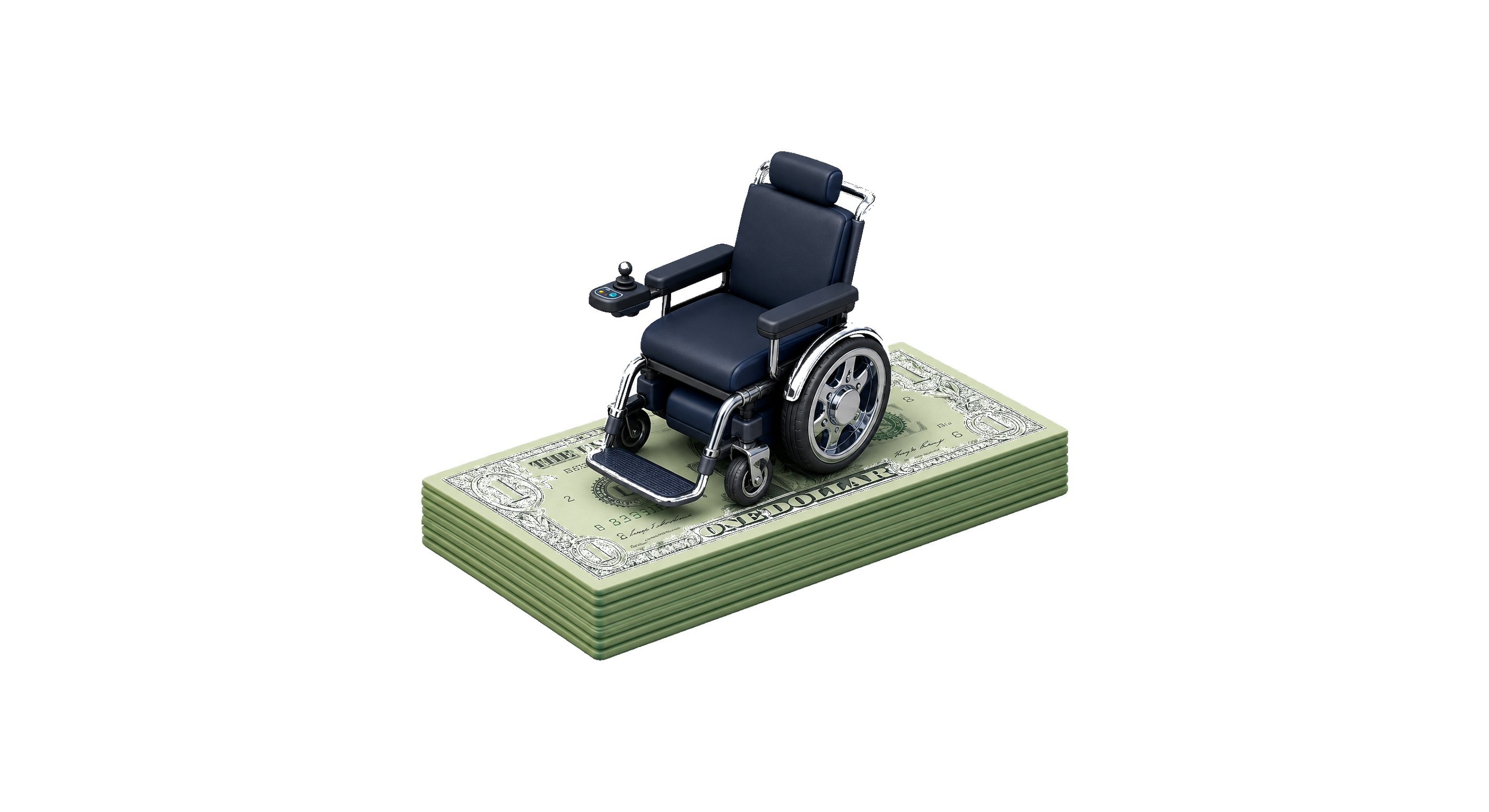
A catastrophic injury is defined not just by its severity, but by its long-term impact on a person’s life and ability to earn a living. Georgia law recognizes the profound difference. In Mark’s case, the paralysis meant he could no longer work as a financial analyst, a career he had built over two decades. His home needed extensive modifications. He required a specialized wheelchair, ongoing physical therapy, and potentially lifelong medical care. These are not minor expenses; they represent millions of dollars over a lifetime.
Injured in a slip & fall?
Property owners are legally liable for unsafe conditions. Over 1 million ER visits per year are from slip & fall injuries.
Georgia’s legal framework for personal injury, specifically O.C.G.A. Section 51-12-5.1, allows for the recovery of both economic and non-economic damages. Economic damages are quantifiable: lost wages (past and future), medical bills (past and future), rehabilitation costs, and home modifications. Non-economic damages are more subjective but equally vital: pain and suffering, loss of enjoyment of life, and emotional distress. Quantifying these requires extensive documentation and expert testimony. For someone with paralysis, the loss of enjoyment of life is profound. Imagine no longer being able to walk your children to the park, play sports, or simply stand up to hug your spouse. These are real, tangible losses that the law endeavors to compensate.
We immediately focused on assembling a comprehensive life care plan for Mark. This isn’t a simple list of medical appointments. It’s a detailed projection, year by year, of every expense Mark would incur due to his paralysis. This included everything from specialized medical equipment and prescriptions to in-home care, accessible transportation, and even psychological counseling. We engaged a certified life care planner, a medical economist, and vocational rehabilitation experts to provide credible, defensible projections. Their reports, hundreds of pages long, became the backbone of our damages claim.
The Complexities of Liability and Insurance
Trucking accidents introduce layers of complexity that a standard car accident does not. Commercial vehicles operate under stricter federal and state regulations. The Federal Motor Carrier Safety Administration (FMCSA) imposes regulations on driver hours, vehicle maintenance, and insurance requirements. In Mark’s situation, we investigated Rapid Route Logistics’ compliance with these regulations. Did their driver have adequate rest? Was the truck properly maintained? Often, poor corporate oversight contributes to driver negligence.
The insurance policies involved are also significantly larger. While a typical Georgia auto policy might have $25,000 in liability coverage, commercial trucking policies often carry millions. However, even these large policies can be insufficient for a lifetime of paralysis care. We explored every potential avenue of recovery: Rapid Route Logistics’ primary liability policy, their umbrella policy, and any other corporate assets. This exhaustive search for coverage is a non-negotiable step in catastrophic injury cases. You simply cannot leave any stone unturned.
Negotiation and Litigation: Preparing for Battle
Insurance companies are not in the business of paying out large sums willingly. Their initial offers for catastrophic injuries are almost always insultingly low. They bank on the victim’s immediate financial strain and lack of understanding of the true long-term costs. In Mark’s case, the first offer from Rapid Route Logistics’ insurer was a fraction of what his life care plan projected. It was a clear signal they were not negotiating in good faith.
This is where preparation for litigation becomes paramount. We filed a lawsuit in Fulton County Superior Court, naming both the driver and Rapid Route Logistics as defendants. The discovery process began, a lengthy period where both sides exchange information, depose witnesses, and gather expert opinions. We deposed the truck driver, the company’s safety director, and their corporate representatives. Each deposition aimed to uncover facts that supported our claim of negligence and corporate culpability.
Mediation was attempted, as is common practice in Georgia civil litigation. Our team presented Mark’s case with compelling evidence: the accident reconstruction report, detailed medical records, the life care plan, and powerful testimony from Mark and Sarah about the devastating impact on their lives. We brought in Mark’s treating physicians, who explained the permanence of his paralysis and the ongoing medical needs. The defense, in turn, presented their own experts, attempting to minimize Mark’s future needs or suggest alternative, cheaper care options. This is a predictable tactic, and one we are always prepared to counter with superior evidence and expert testimony.
The emotional toll on families during this process cannot be overstated. Mark and Sarah endured countless meetings, depositions, and medical evaluations. It’s a marathon, not a sprint. We made sure they understood every step, every legal maneuver, and provided constant support. My professional opinion is that a lawyer’s role extends beyond legal strategy; it encompasses guiding clients through one of the most challenging periods of their lives.
The Resolution and What It Means
After nearly two years of intense litigation and several rounds of negotiation, a resolution was reached. The settlement, a substantial multi-million dollar figure, was structured to provide Mark with lifelong financial security. It included provisions for a special needs trust, ensuring that the funds would not jeopardize his eligibility for government benefits, and guaranteeing the continuous funding of his life care plan. This was not just a financial victory; it was a pathway to dignity and independence for Mark and peace of mind for Sarah.
Mark now lives in a fully accessible home in Johns Creek. He has a customized vehicle that he can operate. He continues with physical therapy at Shepherd Center, a leading spinal cord injury rehabilitation facility in Atlanta. While his life is undeniably different, the settlement allowed him to regain a measure of control and pursue new interests. He started mentoring others with spinal cord injuries, finding purpose in advocacy. His story is a powerful reminder that while the law cannot undo a catastrophic injury, it can provide the resources necessary for a meaningful life after such a devastating event.
What can others learn from Mark’s experience? First, act swiftly. The statute of limitations for personal injury claims in Georgia is generally two years from the date of injury, as outlined in O.C.G.A. Section 9-3-33. Delay can be fatal to a claim. Second, choose an attorney with specific experience in catastrophic injury cases, particularly those involving paralysis. This niche requires a deep understanding of medical prognoses, life care planning, and the specific regulations governing commercial vehicles. Third, prepare for a long fight. These cases are rarely quick or easy. But with the right legal team and unwavering resolve, justice can be achieved.
The path to recovery after a catastrophic injury like paralysis is arduous, but legal recourse offers a critical lifeline. It’s about more than compensation; it’s about securing a future. We see this firsthand, time and again.
What is considered a catastrophic injury in Georgia?
In Georgia, a catastrophic injury is generally understood as an injury that permanently prevents an individual from performing any gainful work or significantly impacts their quality of life, requiring extensive medical care and long-term support. Examples include spinal cord injuries leading to paralysis, traumatic brain injuries, severe burns, and loss of limbs.
How are future medical expenses calculated in a paralysis case?
Future medical expenses for paralysis are calculated through a detailed process involving a certified life care planner. This expert assesses the individual’s specific needs, projecting costs for surgeries, medications, rehabilitation, adaptive equipment, home modifications, and ongoing care for their entire life expectancy. A medical economist then discounts these future costs to a present-day value.
What is the statute of limitations for filing a personal injury lawsuit in Georgia?
In Georgia, the statute of limitations for most personal injury lawsuits, including those arising from car accidents, is two years from the date of the injury. This is codified in O.C.G.A. Section 9-3-33. There are limited exceptions, so it is vital to consult with an attorney as soon as possible to avoid missing this critical deadline.
Can I sue a trucking company directly for a collision caused by their driver?
Yes, you can often sue a trucking company directly, in addition to the driver. Under the legal principle of respondeat superior, employers can be held liable for the negligent actions of their employees committed within the scope of employment. Furthermore, trucking companies have their own duties, such as proper hiring, training, and maintenance, which can form separate grounds for liability under state and federal regulations.
What types of damages can be recovered in a catastrophic injury case involving paralysis?
Victims of paralysis can recover both economic damages and non-economic damages. Economic damages cover quantifiable financial losses like past and future medical expenses, lost wages, loss of earning capacity, and costs for home modifications and adaptive equipment. Non-economic damages compensate for subjective losses such as pain and suffering, emotional distress, and loss of enjoyment of life.